PowerHour 2026 Videos
The Backwoods BMP Power Hour video competition returned to Hay Days in 2026, bringing together five mountain snowmobilers, five action-packed edits and a $10,000 USD cash prize.
When the scores were tallied, Kyle Pulsifer claimed the 2026 Power Hour title and the $10,000 USD grand prize, with Teagan DuBois taking second place and Codey St. Martin finishing third.
Scott Eyer’s Video is yet to be released.
About Power Hour 2026
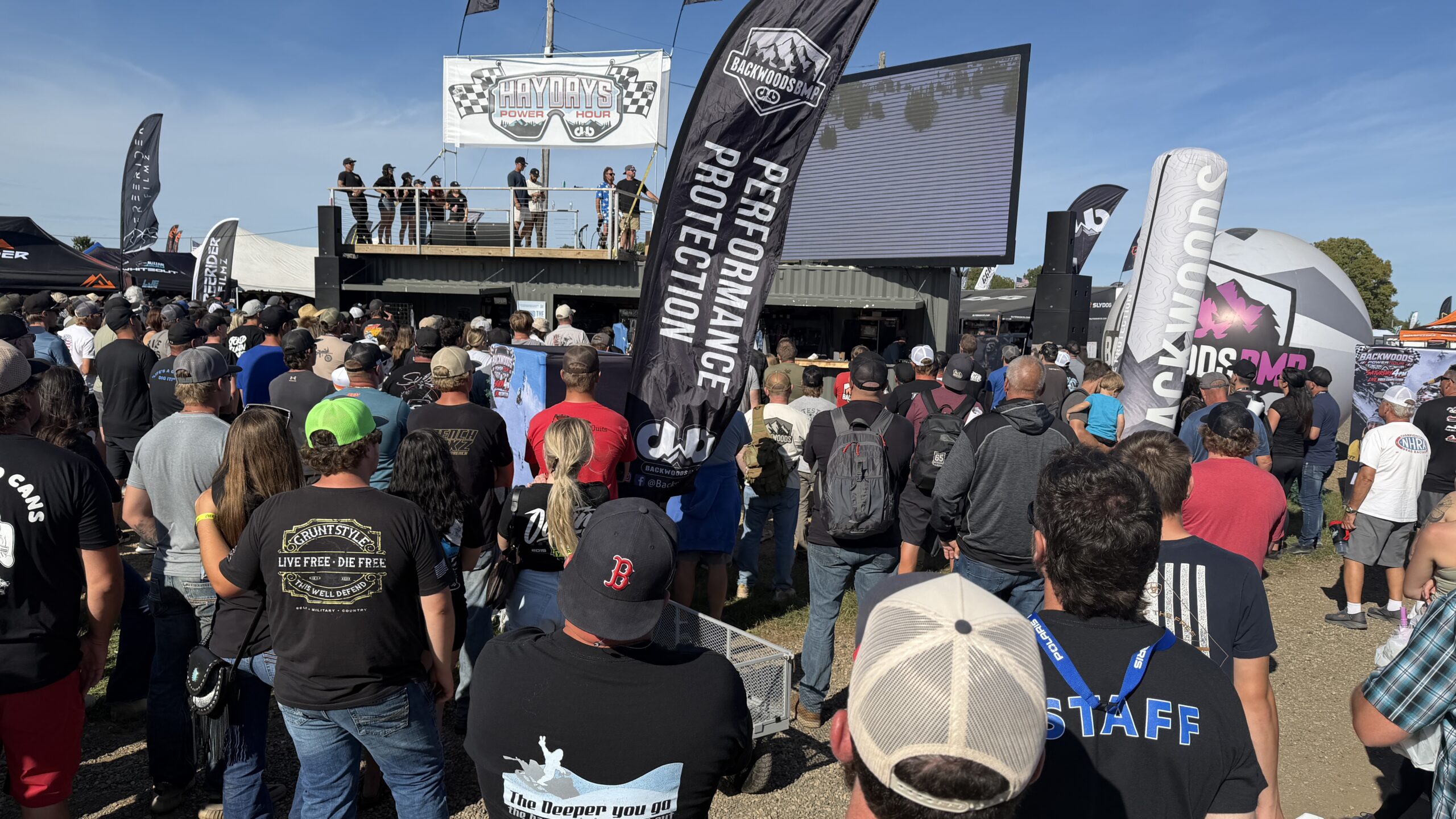
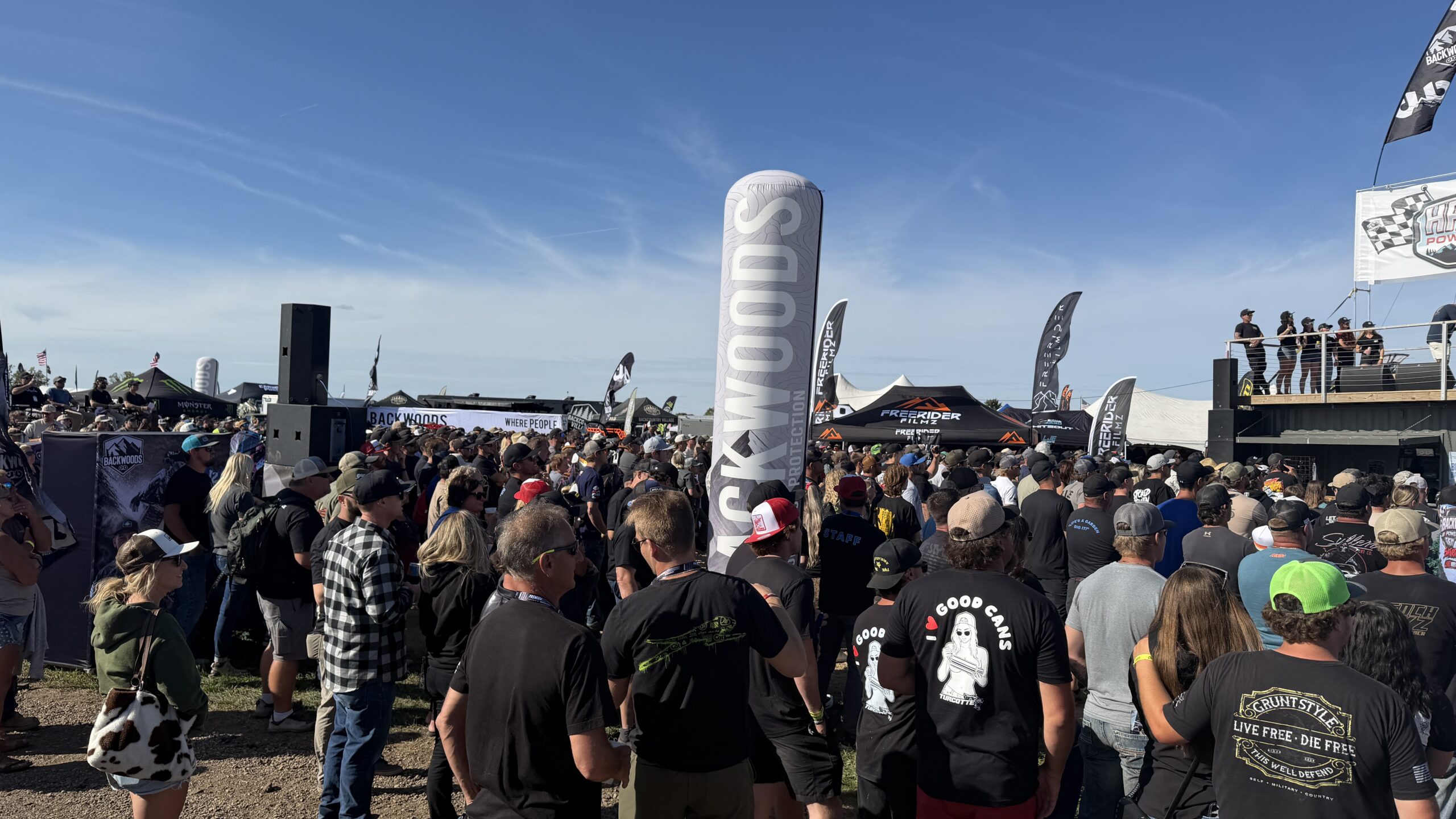
Presented by Backwoods BMP at Hay Days in North Branch, Minnesota, Power Hour has become a popular event for mountain snowmobilers, filmmakers and fans of the sport.
Each of the five competitors submitted a video edit of up to five minutes, showcasing their riding and filmmaking. The edits were screened live at Hay Days, where a panel of five industry judges evaluated the entries alongside a crowd noise component. With $10,000 USD on the line, Power Hour brought together some of the sport’s established names and emerging talent for a unique head-to-head competition.
This year’s five competitors were Kyle Pulsifer, Teagan DuBois, Codey St. Martin, Duncan Lee and Scott Eyer. The field represented a wide range of talent and positions within the snowmobile industry, from established factory-backed professionals to up-and-coming riders paying their own way.
Live Judging at Hay Days
One of the elements that makes Power Hour unique is its live judging format. Similar to a talent competition like American Idol, the videos were presented in front of a live audience, with a panel of industry personalities scoring the entries on stage.
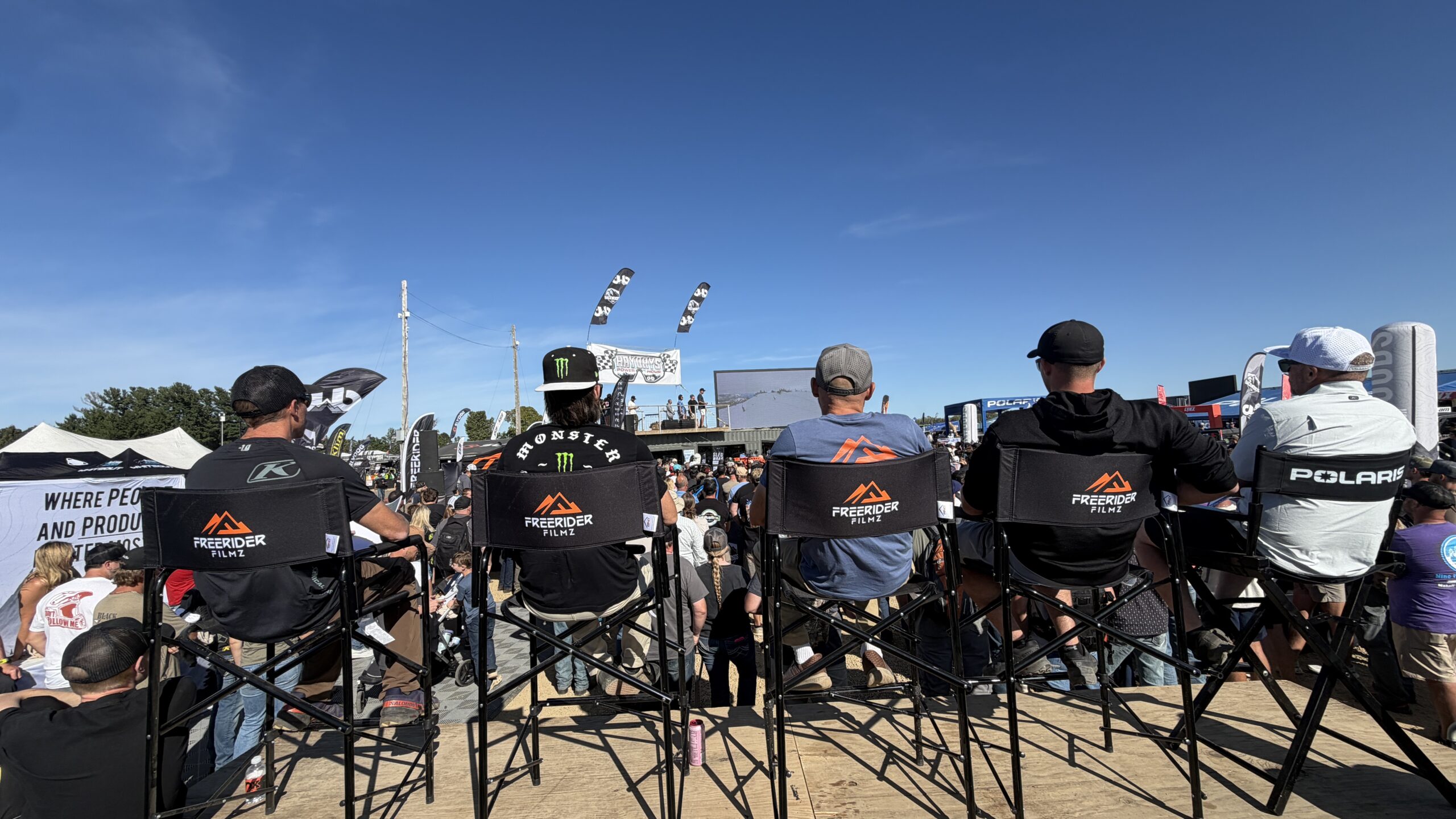
The 2026 judging panel included Chris Burandt, Brett Turcotte, Caleb Kesterke, Stephen Clark and Matt Doetsch (Muskoka Freerider).
Judges were tasked with evaluating different aspects of the edits. Chris Burandt judged progression, Brett Turcotte judged “balls” (the risk and commitment displayed by the riders), and filmmaker Stephen Clark evaluated cinematography. Caleb Kesterke and Matt Doetsch rounded out the five-person panel.
Adding another dimension was the crowd noise component, giving the audience a voice in the outcome.
Comparing five very different edits is no easy task. How do you weigh technical riding against big mountain lines? Does creativity outweigh difficulty? And how much should the filmmaking itself influence the results?
Beyond the results, each edit represents months of riding, filming and creative decisions. Having all five videos together gives viewers an opportunity to make their own comparisons.
Now that you’ve watched all five, who gets your vote? Was it the riding, the filmmaking or the overall package that made the biggest impression?