

Arctic Cat Refines the Details for 2027
For a brand that holds a smaller slice of the snowmobile market than its two primary competitors, Arctic Cat continues to demonstrate something that doesn’t always show up in market-share charts: attention to progression. The 2027 updates aren’t loud – but they are deliberate.
And in today’s snowmobile landscape, deliberate matters.
Arrowhead Track: A Small Spec Change That Isn’t Small
Let’s start with the correction that most riders might overlook but performance-minded owners won’t.
The Arrowhead track lug height spec on the El Tigré, and now the ZR White Tiger, was previously listed at 1.25 inches. The accurate measurement is 1.3 inches with stud. On paper, that’s a tenth of an inch. On snow, it’s traction character.
That additional height, especially when paired with studs, subtly shifts how the sled hooks up under throttle and exits corners. And it reflects something Arctic Cat has been doing quietly for the past several model cycles: tightening the execution rather than chasing headlines.
The ZR White Tiger: A Strategic Addition, Not a Gimmick
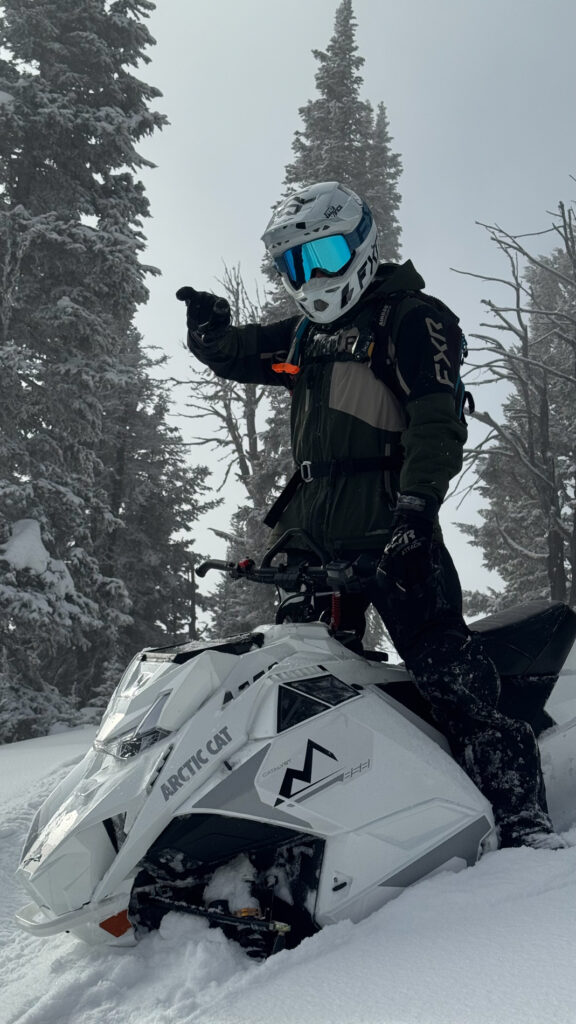
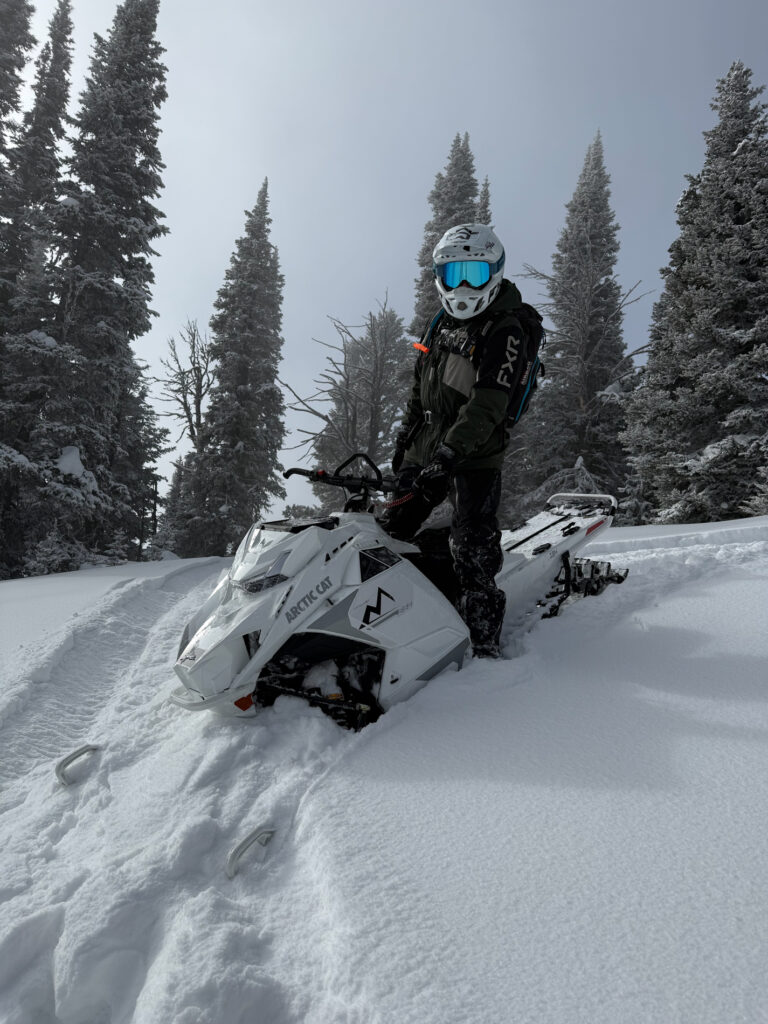
The most visible 2027 addition is the ZR White Tiger. The name may suggest something entirely new, but the platform tells a more nuanced story.
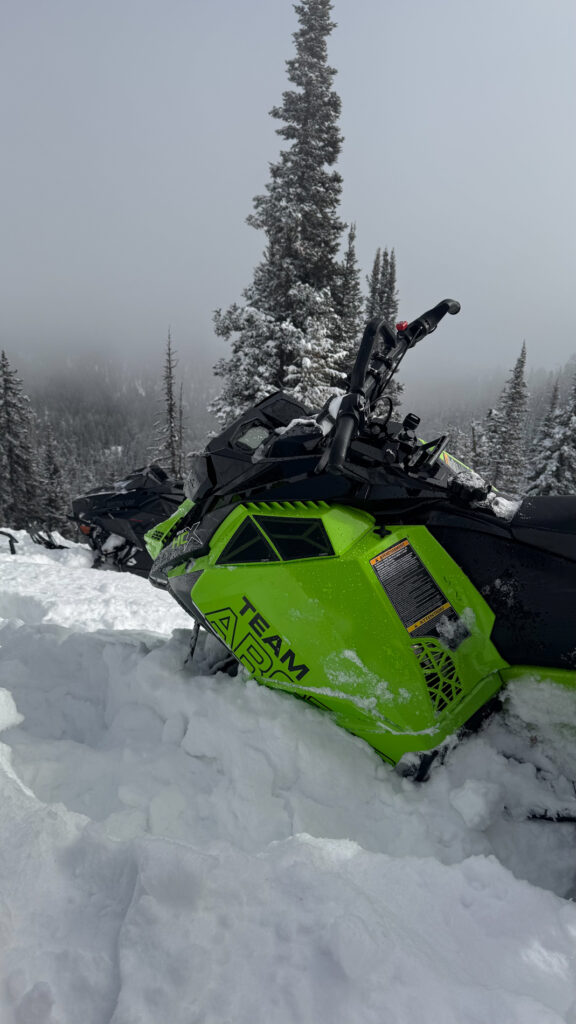
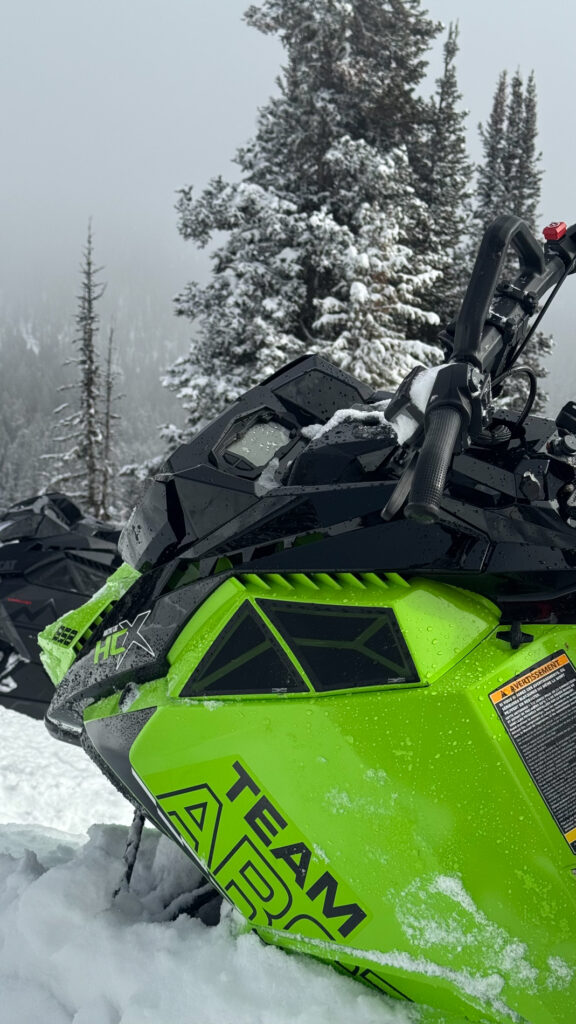
The White Tiger is, fundamentally, an El Tigré 858 offered in a spring-order-only white coloration with a low race windshield. Mechanically and structurally, it carries the same feature set riders expect from the El Tigré platform:
- EPS (Electric Power Steering)
- Track options
- C&A Pro XPT skis
- G8 display
- Tunnel flares
- Ice scratchers
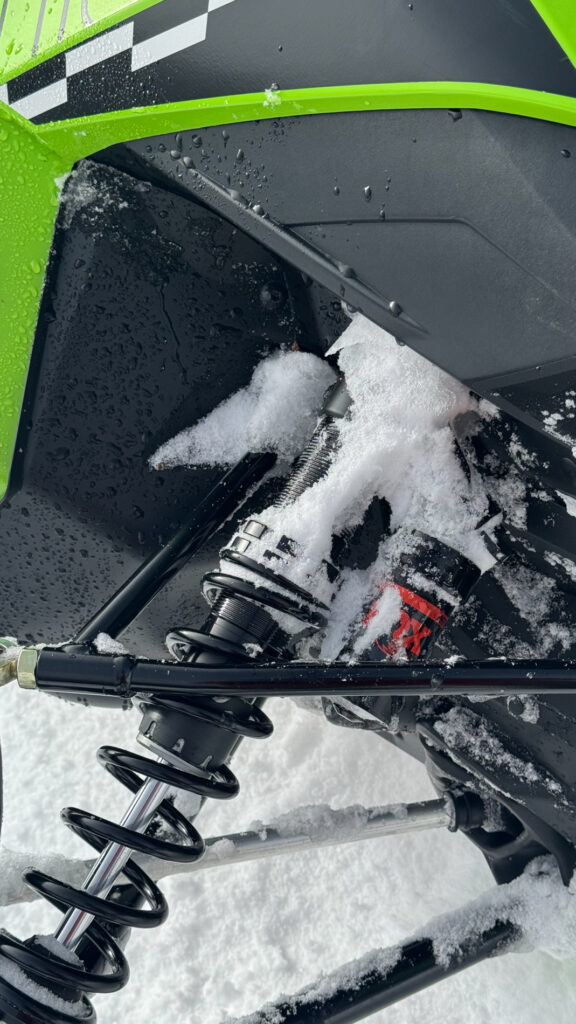
- ATAC control of all four shocks
In other words, this isn’t a stripped package with cosmetic flair. It’s a full-feature trail sled positioned with a slightly sharper visual and ergonomic edge.
For a company navigating limited production capacity compared to larger competitors, leveraging an existing high-performance platform into a targeted, limited spring offering is smart. It keeps the line fresh without diluting development focus.
Naming Clarity: Resetting the Hierarchy
One of the more significant, and admittedly confusing, shifts for 2027 is the model naming structure.
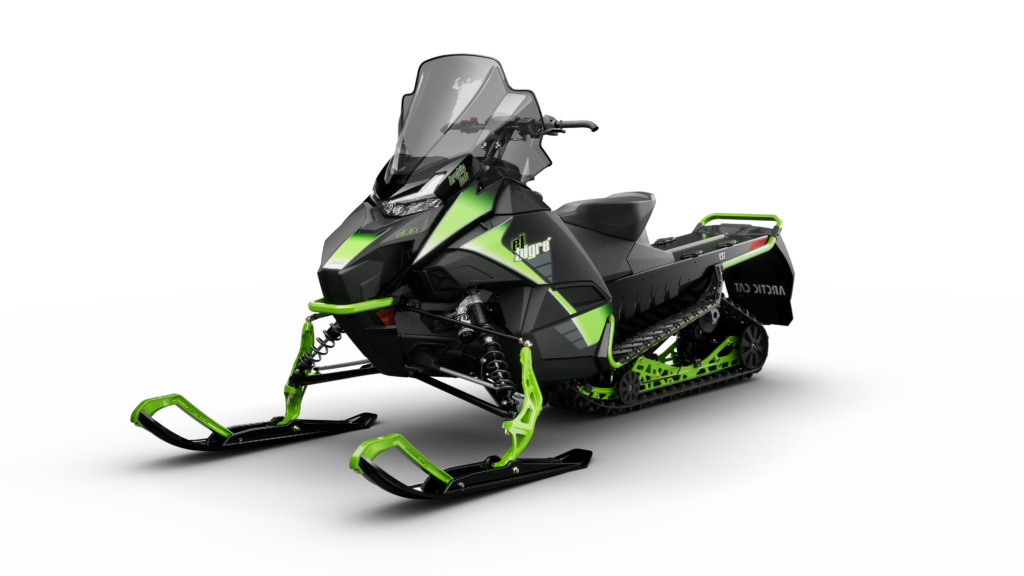
The El Tigré models will officially stand on their own. They are not ZRs. The correct format moving forward is:
El Tigré 858 137
(and other length variants accordingly)
That’s a notable departure from earlier internal presentations that showed a ZR prefix.
Meanwhile, the Thundercat is shedding its previous ZR and 9000 designations. It is officially:
Thundercat 137
Thundercat 146
Not ZR 9000 Thundercat. Not Thundercat 9000. Just Thundercat.
This matters more than it might appear to at first glance. Arctic Cat is reasserting identity within its performance segments. Rather than stacking legacy prefixes and engine identifiers into elongated names, the company is simplifying. In a market where heritage plays a powerful role, clarity reinforces lineage.
And yes, for those who care about the details, the accent mark is returning. It’s officially El Tigré, not El Tigre. A small typographical correction, but one that restores the model’s historical accuracy.
The 146-Inch Trail Segment: A Quietly Expanding Play
Another piece that will likely appear in the finalized 2027 summaries is the grouping of 146-inch full-width trail sleds:
- El Tigré 146
- ZR White Tiger 146
- Thundercat 146
The 146-inch trail category has matured into a legitimate crossover between aggressive trail performance and light off-trail versatility. Arctic Cat recognizing this as a cohesive segment signals intent. It’s not just about length; it’s about rider preference shifting toward stability, added transfer control, and real-world snow adaptability.
For a brand operating without the sheer production volume of its competitors, targeting high-engagement segments like 146-inch performance trails is strategic. These are riders who care about suspension calibration, track choice, and steering feedback, areas where Arctic Cat historically excels.
The Broader Context: Progress Without Overreach
There are additional renames across Jag, XF models, Pantera 400, and Bearcats still moving through approval channels, suggesting a broader structural cleanup across the lineup. It points to something deeper than cosmetic refreshes.
Arctic Cat isn’t trying to reinvent itself for 2027. It’s refining its structure, reinforcing model identity, and making precise technical adjustments.
In a market dominated by larger players with broader R&D budgets and marketing engines, Arctic Cat’s path forward appears increasingly defined by focus. Rather than chasing category expansion at every turn, they are sharpening the tools they already have.
The result is a lineup that may not command the largest market share, but continues to command loyalty. And in powersports – where rider trust is earned in throttle response, suspension compliance, and cold-start reliability.. that matters more than volume.
The 2027 updates won’t break the internet. They will, however, keep Arctic Cat firmly in the progression of the sport. And for a company operating with fewer pieces on the board, that’s not only impressive, it’s disciplined.


